A Review of the Best Teacher Since 1993 Design
First Impressions: A Classic, Heartfelt Statement
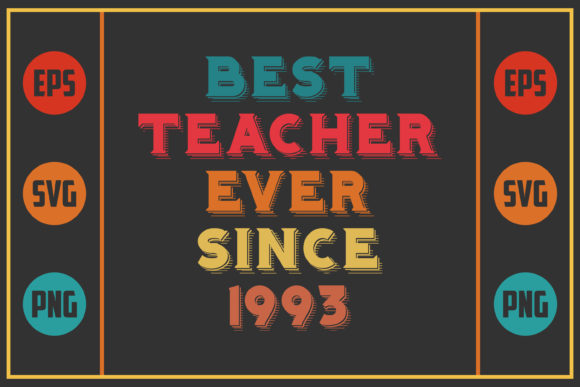
When I first opened the Best Teacher Ever Since 1993 embroidery file, my immediate thought was: this is a statement piece. The year anchor gives it a wonderfully personal, almost celebratory feel. It’s not just a generic "great teacher" phrase; it implies a long-standing relationship, a history of mentorship. That specificity is its greatest strength. The layout feels balanced and clear, which is crucial for translating a digital graphics file into clean stitches. The mood is respectful, appreciative, and slightly nostalgic—perfect for a meaningful gift.
From a design perspective, the straightforward typography and clean lines signal that this will be an embroidery project with good stitching clarity. There are no overly intricate decorative elements that might turn into a dense, puckered mess on fabric. It naturally belongs to projects where the message is the hero: custom apparel, framed patches, or home decor items meant as keepsakes.
Where This Design Shines in Real Projects
Let’s walk through a real scenario. Imagine you’re preparing a custom embroidered tote bag for a client celebrating their mentor’s 30-year career. This design is a perfect fit. The year makes it uniquely relevant. On a mid-weight canvas tote, using a satin stitch for the text and a simple fill stitch for any potential accent elements, this would look professional and heartfelt.
Prime Applications for Your Craft Business
This embroidery design has broad commercial appeal for makers and small shops. Here are the projects where I believe it would perform exceptionally well:
- Personalized Apparel: Embroidered on the chest of a polo shirt or a sweatshirt for a retiring teacher.
- Keepsake Home Decor: Stitched onto a pillow cover or tea towel, creating a lasting home accessory.
- High-Value Patches: As a standalone embroidered patch, it could be applied to a backpack or jacket—a versatile product for an Etsy seller.
- Baby or Nursery Items: For a teacher celebrating a new baby, on a blanket or bib, it becomes a unique gift.
- Boutique Kitchen Towels or Aprons: Ideal for a culinary instructor or a beloved homemaking mentor.
The design acts as a strong digital product asset. You can use it to create printable mockups for your shop listings, showing potential customers exactly how the finished embroidery would look on a cap or a tote bag. This builds customer trust and elevates your handmade presentation.
Considerations for Successful Stitching
While the design appears clean, practical embroidery experience dictates a few careful steps. The inclusion of a year means there are numbers, which often have tighter corners and details than letters.
Navigating Potential Stitching Challenges
Here’s where I’d advise extra attention to ensure the final product looks its best:
- Small Hoop Sizes: If you try to stitch this very small, on a cap’s curved surface for instance, the "1993" detail might lose clarity. Test the minimum readable hoop size on scrap fabric first.
- Fabric Choice: On thin or stretchy fabrics like lightweight t-shirts, a dense fill stitch around the text could cause pulling. A proper stabilizer is non-negotiable.
- Dark Fabric Backgrounds: On black or navy garments, the thread color contrast becomes paramount. You might need a bright white or a metallic thread to maintain visual appeal and stitching clarity.
- Textured Fabrics: On a woven towel or a tweed blanket, the texture can interfere with clean letter edges. A slightly higher stitch density might be needed here.
The goal is always to preserve that clean, professional look that enhances product value and brand consistency for your craft business.
Professional Notes for Embroidery Designers
Before running this file on your machine for a client’s gift or your next small shop merchandise batch, follow this practical checklist. These steps separate a rushed job from a professional embroidery project.
- Always Test on Scrap Fabric: Use the same material and stabilizer you plan for the final product. Check the stitch density, especially for any potential fill areas.
- Inspect Small Details: Zoom in on the design file and look closely at the numbers and any letter joins. Will they stitch cleanly, or might they need a slight adjustment in your software?
- Run Color Contrast Checks: Create simple black and white mockups to see the form. Then, test your actual thread colors on both light and dark fabric backgrounds.
- Confirm Licensing for Commercial Use: The product description states it’s a digital download. As a creative entrepreneur, you must verify the license terms yourself before selling finished items or incorporating it into commercial embroidery projects.
- Consider the Final Product’s Life: If this will go on a baby item or kitchen towel that needs frequent washing, consider using robust threads and secure stitching techniques to ensure longevity.
Final Judgment: A Worthwhile Asset for Makers
The Best Teacher Ever Since 1993 embroidery design is a solid, purpose-driven file. Its value lies in its specificity. For an embroidery designer, it offers a clear path to a finished product that feels custom and thoughtful, not generic. It elevates a simple gift into a personalized story. For a small business owner or Etsy seller, it’s a design asset that can be applied across multiple product lines—from apparel to home decor—adding coherence to your offerings.
It won’t create drama through elaborate decoration; it creates connection through meaning. That’s a powerful tool for any maker. With the practical precautions around fabric choice and detail inspection, this design can yield professional, giftable, and commercially viable embroidery work. It respects the craft and, ultimately, honors the teacher it’s meant to celebrate.